Welcome to the Arce lab!

The Arce lab aims to define and dissect the biochemical mechanisms that control human immune cell activity using genomic technologies and genetic principles. Our primary goals are to identify regulatory failures that result in immune-mediated diseases and develop therapeutic strategies specific to disease pathology.
Arce Lab

Research Focus

Non-coding variant interactions

Non-coding variant interactions

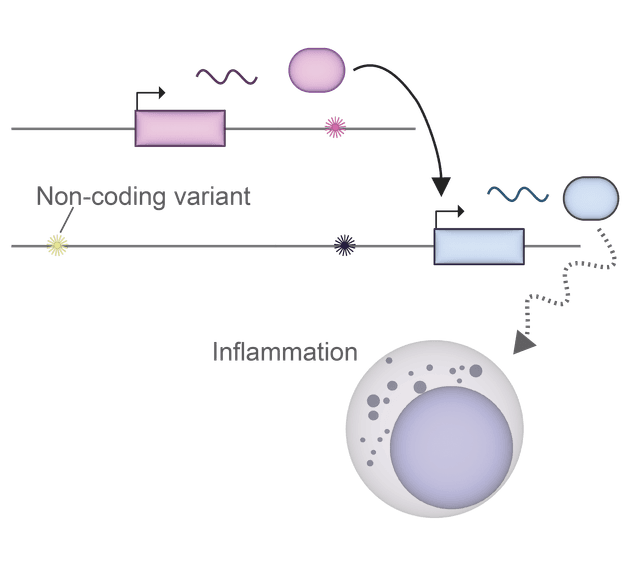
Genetic studies have identified hundreds of DNA variants associated with autoimmune disease, many of which fall in non-coding regulatory regions of the genome. The most common autoimmune diseases are polygenic and variation in the expression of multiple genes confers risk. Our lab aims to understand the cellular changes that drive autoimmunity, with particular interest in the effects of combinations of variants. Using genomics and epigenetics, we pursue the pathways that initiate disease and opportunities to prevent dysfunction.

Multimeric protein assemblies

Multimeric protein assemblies

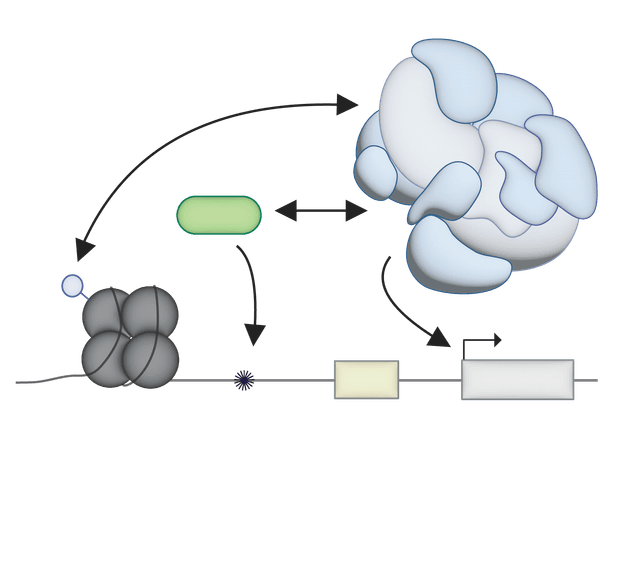
Multimeric protein assemblies make up the majority of molecular machinery that controls cellular activity. Many proteins that regulate essential T cell functions are components of larger protein complexes, which has complicated our ability to fully understand their function and how to modulate their behavior. Using precise genome editing, we seek to pinpoint specific protein residues that enable regulatory control and identify opportunities to strategically modulate cell behavior for cancer and autoimmune disease therapy design.

Extracellular environment

Extracellular environment

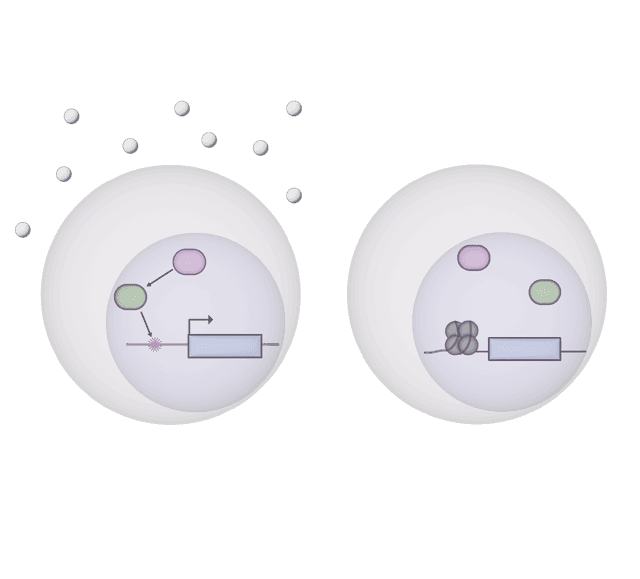
The initiation of many chronic autoimmune diseases are driven by both genetic and environmental factors. In an effort to better understand these nuanced events, we are investigating the effects of diverse extracellular signals on the genome of immune cells. By mapping the nuclear signaling changes in immune cells driven by environmental stimuli, we hope to improve our understanding of the origins of complex disease.

Publications

All Publications

Team

Maya Arce
Science Fellow

Maya Arce

Maya earned her Ph.D. at the University of California San Francisco, under the supervision of Dr. Alexander Marson. During this time, she investigated cell type and activation state specific transcriptional regulators required for control of specific T cell attributes. Her work established context specific gene regulatory maps and provided new mechanistic insights into the systems that enable dynamic regulation of human immune gene programs. At Arc, Maya will focus on understanding the early changes in cellular behavior that drive immune mediated disease. Her lab will utilize genomics, epigenetics, and genome editing to interrogate the regulatory pathways and protein complexes that control immune cell behavior in an effort to inform therapeutic design for autoimmunity and cancer.

Current Members

Sanjana Subramanya
Research Associate

Sanjana Subramanya

UC Irvine (MS)
RV College of Engineering (BE)

Contact Us

We are looking for enthusiastic postdoctoral fellows and research assistants to join us! Please contact me at maya.arce@arcinstitute.org.

Address

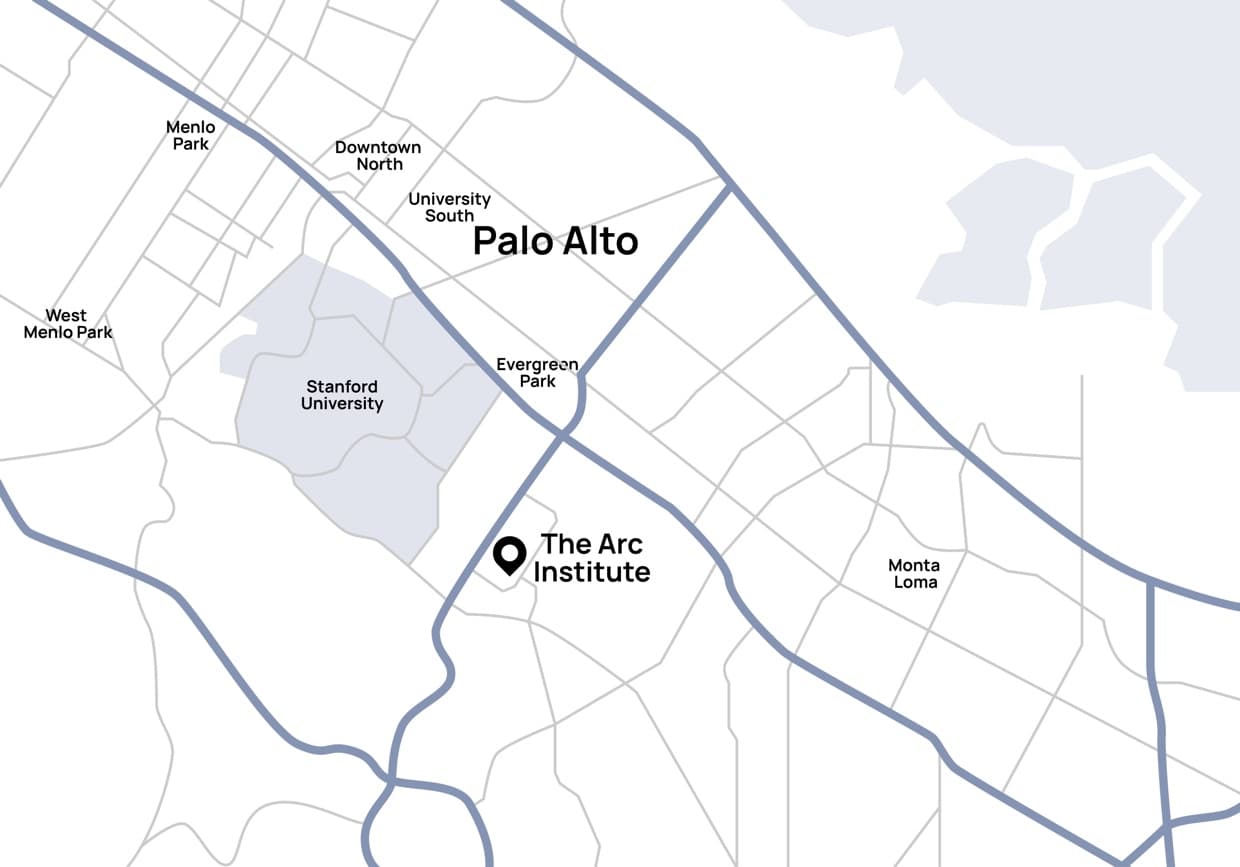
Arc Institute
3181 Porter Dr
Palo Alto, CA 94304
info@arcinstitute.org
Arc Institute Location