Welcome to the Pluvinage Lab!

Our goal is to improve the lives of patients with neurological diseases. We do this by exploring undiagnosed autoimmunity in rare mystery cases and common neurodegenerative conditions alike. How does the immune system regulate cognitive function, and how can we modulate it to promote healthy brain aging?
Neurons

Research Focus

Autoantibody Discovery and Mechanism

Autoantibody Discovery and Mechanism

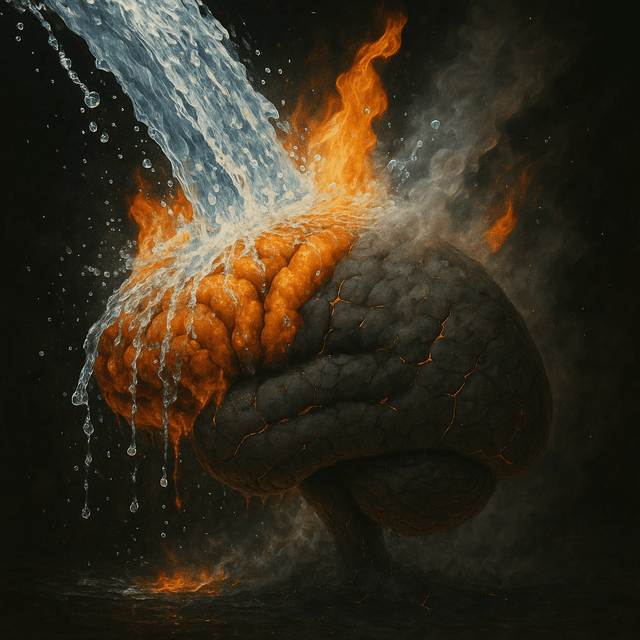
Autoimmune encephalitis (AE) is a rare condition where antibodies target brain antigens leading to severe cognitive dysfunction, but the identity of these antibodies is often unknown. We are developing functional genomic and computational tools to discover the source, target, and mechanism of new pathogenic autoantibodies.

Antigen-Specific Treatments

Antigen-Specific Treatments

Current treatments for autoimmune neurological diseases are nonspecific, ineffective, and/or neurotoxic. How can we eliminate pathogenic autoantibodies while leaving the rest of the immune system intact?

Autoimmune Regulation of Cognition

Autoimmune Regulation of Cognition

Beyond AE, comorbid autoantibodies are enriched in several neurodegenerative conditions. We investigate the hypothesis that pathogenic autoantibodies exacerbate dementia, and, even more exploratory, that protective autoantibodies exist in cognitively resilient individuals.

Publications

Transcobalamin receptor antibodies in autoimmune vitamin B12 central deficiency

Pluvinage JV, Ngo T, Fouassier C, McDonagh M, Holmes BB, Bartley CM, Kondapavulur S, Hurabielle C, Bodansky A, Pai V, Hinman S, Aslanpour A, Alvarenga BD, Zorn KC, Zamecnik C, McCann A, Asencor AI, Huynh T, Browne W, Tubati A, Haney MS, Douglas VC, Louine M, Cree BAC, Hauser SL, Seeley W, Baranzini SE, Wells JA, Spudich S, Farhadian S, Ramachandran PS, Gillum L, Hales CM, Zikherman J, Anderson MS, Yazdany J, Smith B, Nath A, Suh G, Flanagan EP, Green AJ, Green R, Gelfand JM, DeRisi JL, Pleasure SJ, Wilson MR.

Science Translational MedicineJune 2024

The CD22-IGF2R interaction is a therapeutic target for microglial lysosome dysfunction in Niemann-Pick type C

John V Pluvinage, Jerry Sun, Christel Claes, Ryan A Flynn, Michael S Haney, Tal Iram, Xiangling Meng, Rachel Lindemann, Nicholas M Riley, Emma Danhash, Jean Paul Chadarevian, Emma Tapp, David Gate, Sravani Kondapavulur, Inma Cobos, Sundari Chetty, Anca M Pașca, Sergiu P Pașca, Elizabeth Berry-Kravis, Carolyn R Bertozzi, Mathew Blurton-Jones, Tony Wyss-Coray

Science Translational MedicineApril 2019

CD22 blockade restores homeostatic microglial phagocytosis in ageing brains

John V. Pluvinage, Michael S. Haney, Benjamin A. H. Smith, Jerry Sun, Tal Iram, Liana Bonanno, Lulin Li, Davis P. Lee, David W. Morgens, Andrew C. Yang, Steven R. Shuken, David Gate, Madeleine Scott, Purvesh Khatri, Jian Luo, Carolyn R. Bertozzi, Michael C. Bassik & Tony Wyss-Coray

NatureApril 2019

All Publications

Team

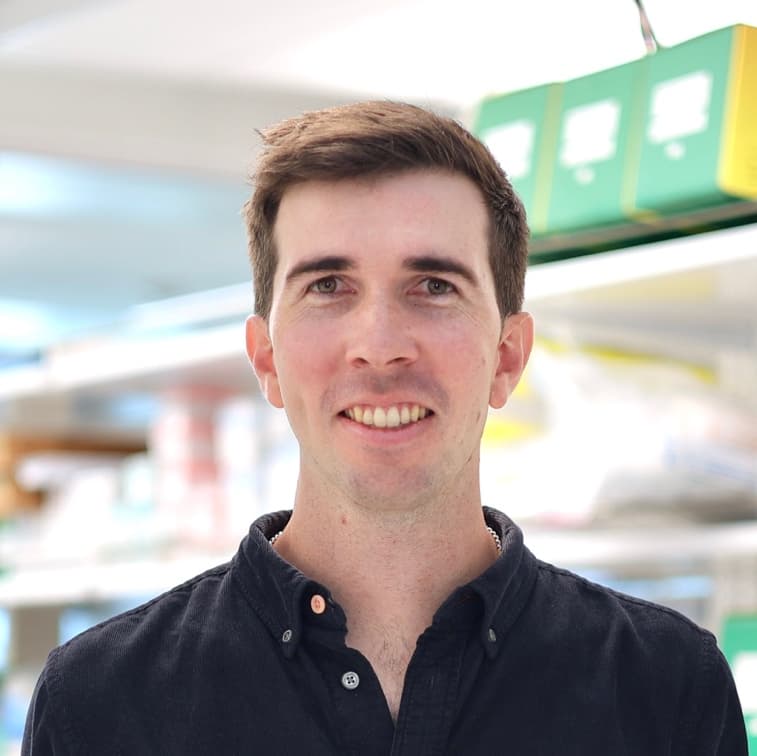
John Pluvinage, MD, PhD
Core Investigator

John Pluvinage, MD, PhD

John is an Assistant Professor of Neurology at the University of California, San Francisco. He received his BS in Bioengineering and then MD and PhD from Stanford, investigating mechanisms of microglial aging and rejuvenation. He completed his clinical Neurology residency and postdoctoral fellowship at UCSF focusing on the overlap between autoimmunity and neurodegeneration. His research has been recognized by a Burroughs Wellcome Fund Career Award for Medical Scientists, a NIH K08 Career Development Award, and the American Academy of Neurology’s S. Weir Mitchell Award.

Current Members

Berkeley
Postdog

Berkeley

Contact Us

For prospective postdocs, scientists, and research associates, please visit arcinstitute.org/jobs to apply for openings. For prospective students, please contact me directly at john.pluvinage@arcinstitute.org.

Address

Arc Institute
3181 Porter Dr
Palo Alto, CA 94304
info@arcinstitute.org
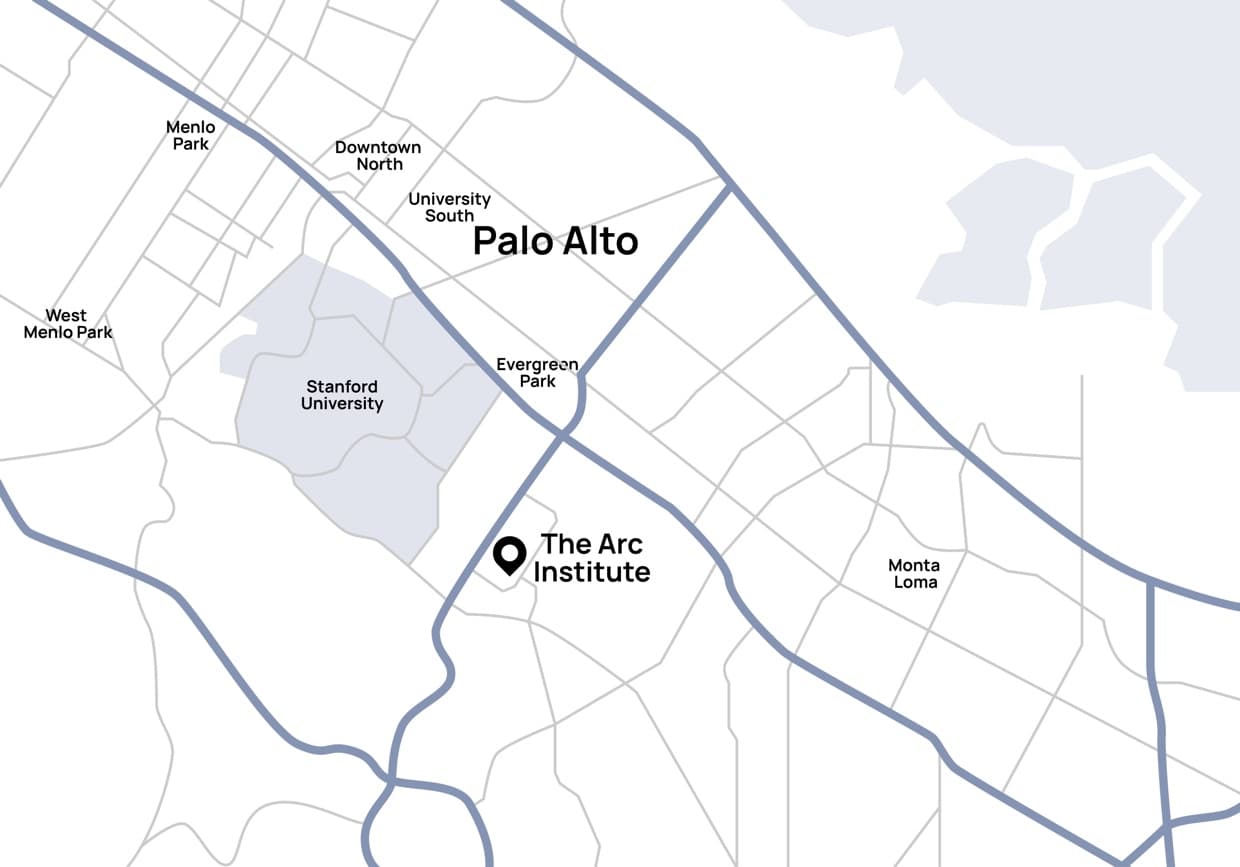
Arc Institute Location